
How Vision Affects Learning: Understanding the Connection Between Visual Skills and Academic Success

How Vision Affects Learning: Understanding the Connection Between Visual Skills and Academic Success

How Vision Affects Learning: Understanding the Connection Between Visual Skills and Academic Success

How Vision Affects Learning: Understanding the Connection Between Visual Skills and Academic Success

How Vision Affects Learning: Understanding the Connection Between Visual Skills and Academic Success

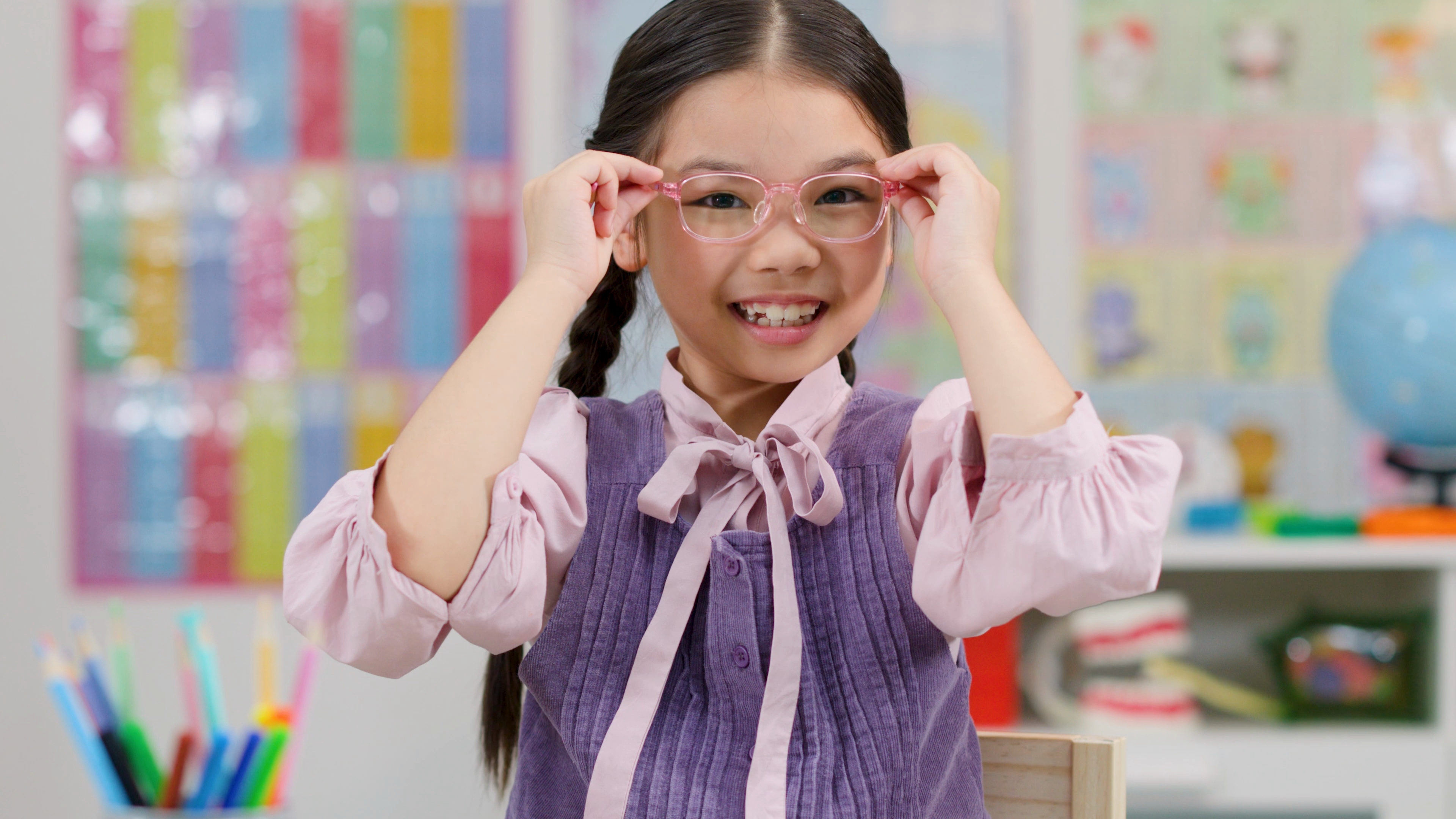
Clear eyesight is only one part of a child’s visual system. A student may be able to read the smallest line on an eye chart and still have difficulty using both eyes efficiently for reading, writing, copying from the board, and completing homework. For families in Northbrook, understanding how functional vision affects learning can help identify obstacles that may otherwise be mistaken for poor attention or a lack of motivation.
At Vision Rehabilitation Associates, we evaluate the visual skills children rely on throughout the school day, including eye tracking, focusing, eye teaming, and visual processing.
Vision Involves More Than Seeing 20/20
Visual acuity describes how clearly a person sees at a specific distance. It does not fully measure how well the eyes move, coordinate, maintain focus, or send information to the brain.
Academic tasks require several visual abilities to work together. The eyes must focus clearly on a page, turn inward as a coordinated team, move accurately from word to word, and locate the beginning of each new line. The brain must then process and interpret the information being viewed. A weakness in one of these areas can make reading and other classroom activities slower or more tiring.
Visual Skills That Support Academic Success
Children use functional visual skills during nearly every part of the school day. Important abilities include:
- Eye tracking to follow a line of print without frequently losing place
- Eye teaming to maintain comfortable, single vision at near distances
- Focusing flexibility to shift clearly between a desk, screen, and classroom board
- Visual processing to recognize, remember, and interpret what is seen
- Visual-spatial skills to understand shapes, direction, spacing, and position
- Visual-motor integration to coordinate vision with handwriting and other movements
When these skills are efficient, students can devote more energy to understanding lessons instead of struggling to control their eyes.
Signs of a Possible Vision-Related Learning Problem
A child may not know how to explain that words appear unstable, close work causes discomfort, or keeping their place requires unusual effort. Instead, they may avoid reading, rush through assignments, or lose concentration.
Possible warning signs include slow reading, skipping words or lines, covering one eye, headaches, eye strain, poor handwriting spacing, difficulty copying from the board, and stronger comprehension when material is read aloud. Some children take much longer than their classmates to finish schoolwork or become tired after a brief period of reading.
These symptoms do not automatically mean that a child has a vision disorder. They can overlap with dyslexia, attention conditions, and other learning challenges. A functional vision evaluation helps determine whether a visual issue is present and should be addressed as part of the child’s broader support plan.
Why School Vision Screenings May Miss the Problem
School screenings provide a useful check for reduced distance eyesight, but they may not evaluate eye tracking, focusing, binocular coordination, or visual processing in detail. As a result, a child can pass a screening while continuing to experience difficulty with visually demanding classroom activities.
A comprehensive pediatric eye exam can assess eye health and prescription needs. When reading or learning symptoms remain unexplained, a specialized functional vision evaluation in Northbrook can provide a closer assessment of how the eyes and brain work together. Vision Rehabilitation Associates evaluates skills that are not typically included in a basic screening or routine examination.
How Vision Therapy May Help
When testing identifies a functional vision problem, optometric vision therapy may be recommended. Vision therapy is a customized, doctor-directed program designed to improve visual performance through structured activities and appropriately selected optical tools.
Treatment may focus on strengthening eye tracking, focusing, eye teaming, visual processing, and visual-motor integration. The goal is not to tutor a child or directly treat a learning disability. It is to make the visual system more efficient so that vision does not create an additional barrier to reading, writing, concentration, or classroom participation.
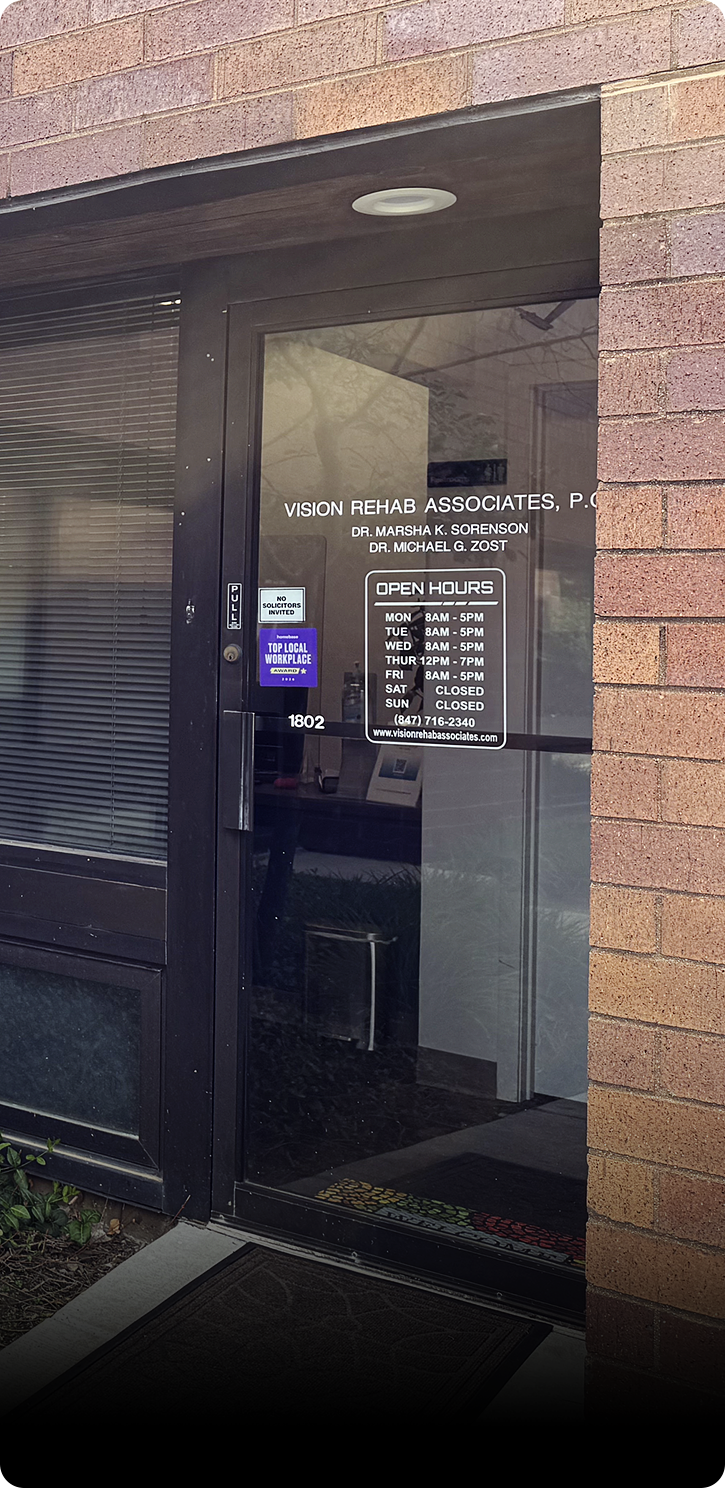
Schedule your child’s functional vision evaluation with Vision Rehabilitation Associates at 666 Dundee Road, Suite 1802, Northbrook, IL 60062, or call (847) 716-2340.




© 2026 Vision Rehabilitation Associates. All rights Reserved | Accessibility Statement| Privacy Policy | Sitemap
Powered by:
